

Corporate events have changed. A keynote, plated dinner, and branded backdrop may still have their place, but many companies are looking for experiences that feel more engaging and memorable. That shift has helped experiential corporate events become a bigger part of the marketing landscape. These events are designed around more than what guests see or hear. They consider how people move through a space, where they gather, when they need a break, and what moments they are likely to remember.
The setting plays a major role in all of this. A well-designed environment can influence the pace, mood, and social dynamics of an event before a single presentation begins. At Old Polo Estate in Coachella, California, we have seen this firsthand through brand events, hospitality experiences, and creative activations. The property offers a useful example of how the physical environment can become part of the experience itself.
What Makes an Event Experiential?
An experiential corporate event gives guests something to participate in, explore, or feel rather than simply something to watch. That does not necessarily mean adding elaborate entertainment. An experience can come from the setting, the hospitality, the programming, the movement between spaces, or a single unexpected moment.
The goal is to create an event that feels intentional from beginning to end. Guests should have a sense of where they are, what they can do, and why the experience is different from a typical corporate gathering. This is where marketing psychology becomes especially relevant. People respond to environments as much as they respond to individual elements within them.
1. People Respond to Environments, Not Just Programming
The physical environment can influence how people feel and behave. Lighting, sound, openness, privacy, temperature, and even the ability to move around can affect how comfortable and engaged guests feel. That makes the venue more than a backdrop. It becomes part of the communication surrounding the event. A private desert estate creates a very different first impression than a hotel ballroom. At Old Polo Estate, guests arrive to open lawns, mountain views, landscaped grounds, and multiple indoor and outdoor spaces. The setting immediately establishes a sense of place. For a brand or company, that context matters. The environment can help reinforce whether an event should feel relaxed, elevated, energetic, creative, intimate, or unexpected.
2. Movement Can Shape the Story of an Event
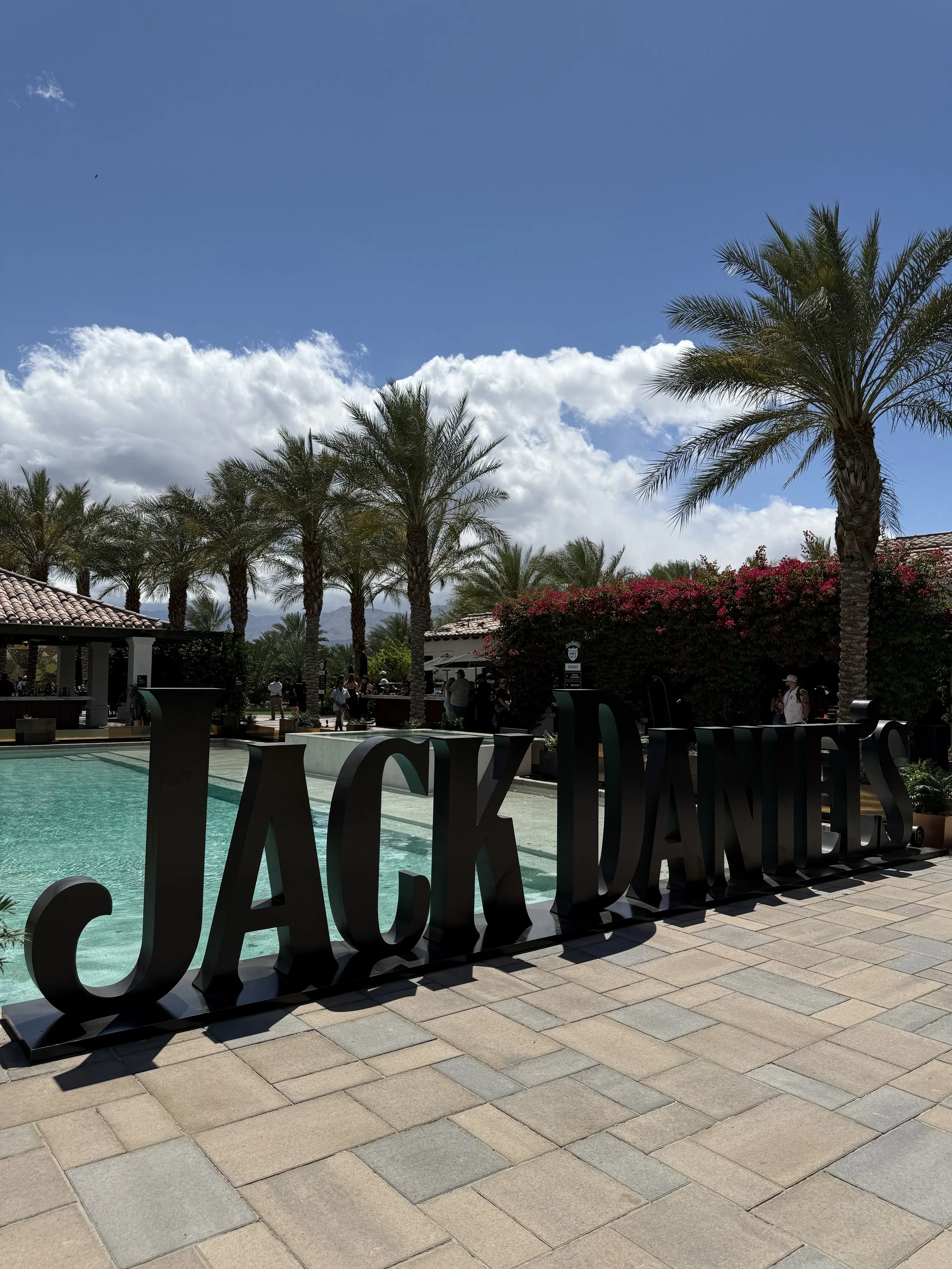
People do not experience an event from one fixed position. They arrive, explore, gather, move between activities, find food and drinks, and look for places to talk. That movement can be designed intentionally. Consider an event that begins on a large lawn. The space may hold staging, presentations, demonstrations, or another central activation. From there, guests can move toward an adjacent poolside patio and covered outdoor bar.
The experience changes as they move. The lawn can support a more active or programmed portion of the event. The poolside area creates a natural transition into conversation, drinks, and socializing. Instead of forcing every part of the event into one space, the property gives the experience a sense of progression. This kind of spatial flow can make an event feel more natural. Guests understand where the action is, where they can gather, and when it is time to shift into a different part of the experience.
3. Hospitality Is About More Than Food and Drinks
Hospitality is often treated as a supporting detail. In experiential events, it can be one of the most important parts of the guest journey. People need opportunities to pause. They may need to cool down, recharge, grab a drink, find a quieter conversation, or simply step away from a crowded environment. One example is the Liquid I.V. Hydration Lounge hosted at Old Polo Estate. During an event tied to the festival environment, the lounge gave guests a separate place to cool off, hydrate, and reset away from the festival grounds. That was more than a branded hospitality station. The space served a practical need while reinforcing the brand's connection to hydration and wellness. The lesson is simple. Good hospitality considers what guests may need before they have to ask for it.
4. Give People Places to Participate
Experiential events do not have to move every guest through the exact same itinerary. Some people may want to join a scheduled activity. Others may prefer to grab a drink, talk with colleagues, explore the property, or take a break. Giving guests some control over how they spend their time can make an event feel less rigid. The physical environment can support that flexibility.
At Old Polo Estate, a single event might use the lawn, pool area, lounges, recreational spaces, and indoor gathering areas in different ways. Guests can move between programmed moments and more informal interactions without leaving the property. That variety also gives planners more options. An event can have a central point of focus without requiring every guest to remain there throughout the entire program.
5. Give Guests Something They Did Not Expect

Novelty can make an experience more distinctive. Corporate guests may attend dozens of dinners, receptions, conferences, and networking events each year. A memorable moment often comes from something that breaks that pattern. At Old Polo Estate, the desert setting has provided a canvas for experiences that would be difficult to recreate in a conventional event venue. Hot air balloon experiences have taken place on the lawn, turning the landscape itself into part of the programming. Aqualily performances in the pool create a different kind of surprise. The water becomes a stage, and an ordinary part of the property takes on an entirely new purpose. These moments work because they are connected to the setting.
6. The Setting Should Reinforce the Brand
Experiential marketing works best when the experience feels connected to the brand rather than simply decorated with its logo. That connection can come through the environment, the activities, the hospitality, or the overall pace of the event. A wellness brand may want guests to feel refreshed and cared for. A luxury brand may prioritize exclusivity and atmosphere. A lifestyle brand may want a more social and energetic environment. The setting should support that emotional direction. This is one reason destination-style properties can be powerful for experiential events. The location gives the creative team more than a room to decorate. It gives them a starting point for building an atmosphere that feels consistent with the brand.
Experiential Events Are About How People Remember the Experience
The most effective experiential corporate events are not necessarily the ones with the most activities. They are the ones where the individual pieces make sense together. The setting establishes the atmosphere. The layout shapes movement. Hospitality gives guests room to reset. Programming creates participation. Unexpected moments add distinction. The brand ties those elements together. That is why choosing an experiential event venue is ultimately a creative decision as much as a logistical one. The right property can give an event team more ways to shape how guests feel, interact, and remember the experience.
Frequently Asked Questions
What makes a corporate event experiential?
An experiential corporate event gives guests opportunities to participate, explore, interact, or engage with an environment rather than simply attend a scheduled program. The setting, hospitality, activities, and guest journey all contribute to the experience.
Why does the setting matter for an experiential event?
The setting can influence how guests feel, move, interact, and perceive the event. A distinctive environment can also give creative teams more opportunities to build experiences that feel connected to the brand.
How does environment influence event experiences?
Physical environments can affect comfort, social interaction, movement, and mood. Different spaces can also create changes in energy throughout an event, helping separate presentations, hospitality, activities, and social moments.
How can brands make corporate events more memorable?
Memorable events often give guests something beyond a standard meeting or reception. Distinctive environments, unexpected experiences, thoughtful hospitality, and opportunities for participation can all contribute to a stronger guest experience.
What role does hospitality play in experiential events?
Hospitality helps guests feel comfortable and supported throughout the event. Spaces for food, drinks, cooling off, conversation, or quiet time can become important parts of the overall experience rather than secondary event details.
Planning an Experiential Corporate Event?
The right setting can give your event more room to become an experience. Old Polo Estate is a private estate in Coachella, California, with indoor and outdoor gathering spaces, expansive lawns, poolside areas, hospitality spaces, and a desert setting that can be shaped around a wide range of corporate and brand experiences. Learn more about the events we have hosted, or reach out to our team with questions or to inquire about availability.