

What Makes a Venue Production-Friendly for an Experiential Event?
A venue can look perfect on a site visit and still create production headaches. Limited access, tight setup windows, poor vendor flow, or a lack of staging space can turn a great creative concept into a logistical challenge. For experiential events, producers need to evaluate what happens before guests arrive just as carefully as what happens once they do. Load-in, staging, vendor access, technical requirements, guest flow, talent needs, and strike all become part of the venue decision.
Old Polo Estate in Coachella, California, offers a private setting with multiple indoor and outdoor areas that can support the different phases of an event. For planners, DMCs, and production teams scouting Palm Springs and the Coachella Valley, here are the details worth evaluating before booking a venue.
What Does "Production-Friendly" Actually Mean?
A production-friendly venue accommodates the practical demands of an event without limiting the creative concept. Square footage matters, but it is only one part of the equation. Access, layout, staging, vendor coordination, guest flow, infrastructure, and venue policies all influence how a production comes together. The best properties give the production team enough flexibility to solve those challenges without compromising the guest experience.
1. Look at Access Before You Look at Aesthetics
A beautiful venue is not automatically a practical production venue. Before booking, producers should understand how people, equipment, vendors, and event infrastructure will move onto and around the property. Ask about:
Vendor and production access
Load-in and load-out procedures
Staging areas
Setup and strike windows
Parking and vehicle access
Equipment storage
Catering access
Areas that can remain separate from guest spaces
These details can have a major effect on the production schedule. A complicated load-in can add hours to a setup, while limited access may restrict what the creative team can bring onto the property.
2. Look for a Layout That Can Support Multiple Functions
Experiential events rarely have just one purpose. A single activation may include guest arrival, branded installations, food and beverage, entertainment, VIP hospitality, content creation, and social spaces. Trying to fit all of those functions into one room can make an event feel crowded. It can also force production teams to constantly reset or share the same footprint.
Old Polo Estate offers open lawns, poolside areas, indoor spaces, an outdoor kitchen and bar, and additional gathering areas. Each space can serve a different role within the event or become part of a larger programmed environment. Guests can move from an activation to a lounge, dining area, or other experience without every element competing for the same physical space.
3. Consider Staging and Build-Out Needs
Experiential events often require more than tables and chairs. Depending on the concept, a production may include branded structures, lighting, signage, product displays, entertainment equipment, lounges, temporary installations, or other custom elements. Staging space should be part of the initial venue conversation. Ask where equipment can be staged before the event and which areas can accommodate temporary structures. It is also worth identifying where vendors can work without disrupting the guest experience. A beautiful activation loses some of its impact when cases, equipment, and production traffic are visible throughout the event.
Old Polo Estate offers ample staging space along with multiple areas for event programming. The production team can evaluate the property as a complete event environment rather than trying to force every element into one room. Production requirements vary by activation, so staging and build-out plans should be confirmed during the site-planning process.
4. Think About Guest Flow and Back-of-House Flow Separately
Guest flow gets plenty of attention during event planning. Back-of-house flow deserves the same consideration. Catering teams need to reach service areas. Production teams need access to equipment. Vendors may need to move between different parts of the property. Talent and VIPs may need private routes or holding areas. When all of those movements happen through the same guest path, the experience becomes harder to manage.
A venue with multiple usable areas gives the event team more ways to keep operational traffic separate from the guest experience. At Old Polo Estate, the indoor and outdoor spaces can be planned around both sides of the event. Guest-facing areas can remain focused on the experience while production and service needs are considered within the larger property layout.
5. Look for Flexible Branding Opportunities
The venue should support the brand experience without becoming the brand experience. That matters when an activation includes branded signage, custom installations, product displays, lounges, photo moments, or other creative elements. The production team needs enough flexibility to incorporate those pieces without fighting the existing environment.
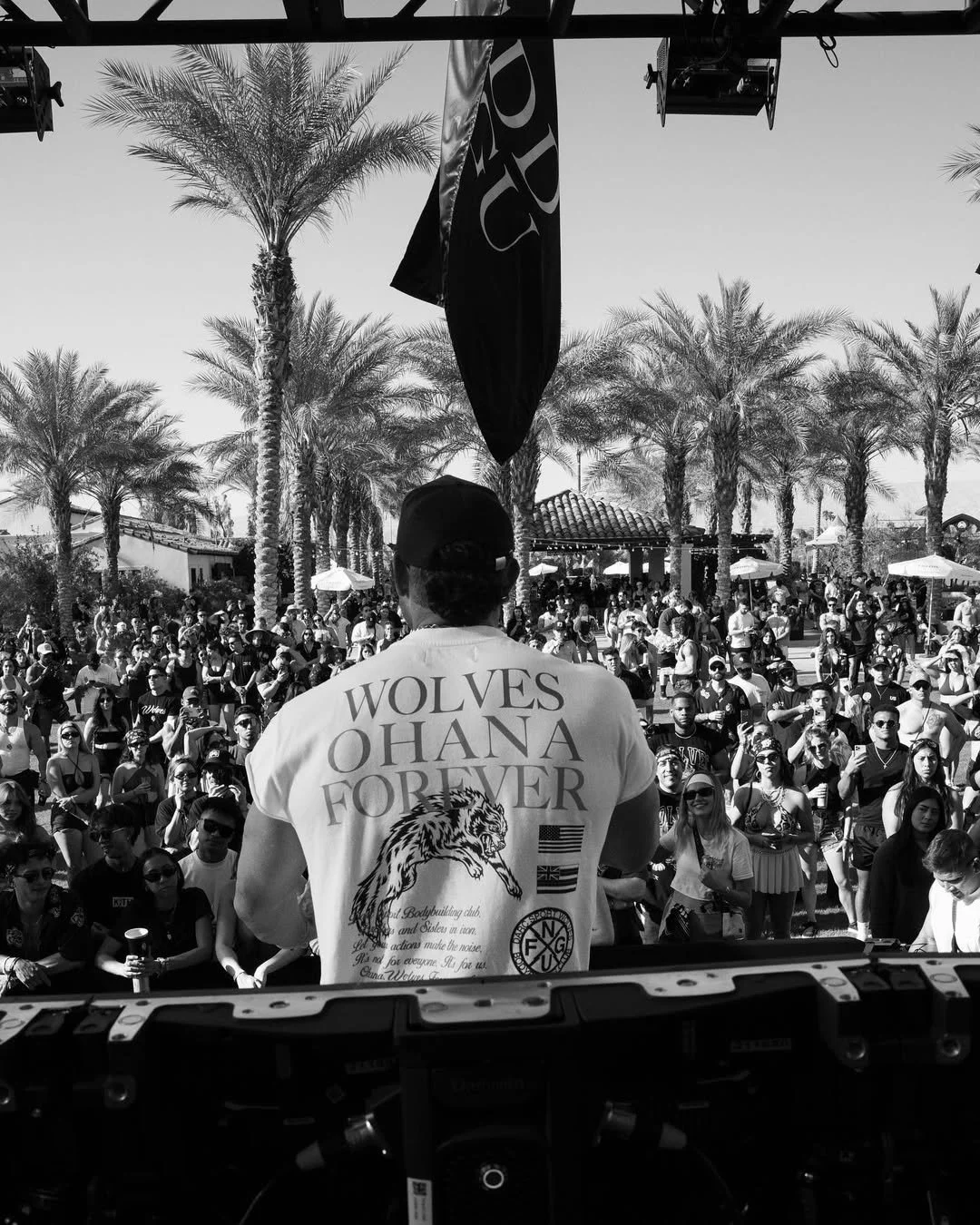
Old Polo Estate combines open lawns with established architectural and landscape features. Creative teams can choose where branding has the most impact instead of treating every surface as an opportunity for signage. The strongest activations usually feel intentional rather than covered in logos. A flexible setting gives the creative team more control over where the brand appears and how guests encounter it.
6. Consider Power, Infrastructure, and Technical Requirements Early
Technical requirements should be discussed before the creative plan is finalized. Lighting, sound, staging, production equipment, temporary structures, catering equipment, and other event components can have specific infrastructure needs. Those requirements vary significantly from one activation to another.
When scouting a venue, ask what existing infrastructure is available and what needs to be brought in. Discuss power, connectivity, lighting, sound, temporary equipment, and any restrictions that could affect the production. A venue's appearance will not tell you what is technically possible. Confirm those requirements with the venue and production team before committing to a design.
7. Plan for VIPs, Talent, and Private Moments
Many experiential events involve more than general admission guests. Brand activations may include executives, influencers, talent, media, clients, or VIP guests who need a more private experience. That may require separate hospitality areas, holding spaces, dressing areas, or private accommodations.
Old Polo Estate includes private estate interiors, outdoor gathering areas, and on-site accommodations for up to 28 guests. Depending on the event plan, those spaces can accommodate VIP hospitality, executive gatherings, talent needs, or overnight stays. During a site visit, walk through the property with those specific needs in mind rather than treating accommodations and private spaces as separate from the event plan.
8. Think About the Event Beyond the Main Activation
Production does not stop when the main event begins. Multi-day brand activations may include a welcome event, daytime hospitality, a product experience, a private dinner, entertainment, or a post-event gathering. A venue that can support several types of programming gives the production team more ways to build the schedule around the property.
Old Polo Estate includes a pool, outdoor kitchen and bar, pickleball and tennis courts, volleyball, a three-hole golf course, fire pits, lawns, and multiple gathering areas. These spaces can accommodate additional programming or downtime outside the primary activation. Explore how Old Polo Estate can support festival-weekend activations, hospitality, production, and multi-day programming.
9. Ask About the Venue Team
The venue itself is only part of the production equation. Producers also need to understand how the venue team communicates and handles the planning process. Ask how they manage walkthroughs, measurements, vendor questions, schedule changes, site access, and event-day coordination. Old Polo Estate has hosted brand events for companies including Liquid I.V., Jack Daniel's, and DarcSport, and understand the impact of responsive venue support. We’re happy to assist with walkthroughs, measurements, imagery requests, and changes throughout the planning process.
10. Consider What Happens After the Event
Strike is part of production, too. Be sure to ask about teardown schedules, vendor departure, equipment removal, cleaning, and any restrictions around strike. A tight event schedule can become much more complicated if the production team does not have enough time or access to clear the property. The same questions that apply to load-in should apply to load-out. Understanding the complete production window gives the team a more realistic picture of what the event will require.
Production-Friendly Venue Checklist
These are some of the questions Old Polo Estate is happy to answer during the scouting process as you search for a Palm Springs event production venue that meets your needs:
How will production and vendors access the property?
Where can equipment be staged?
What are the setup and strike windows?
How much space is available for temporary structures?
Can guest and back-of-house movement be separated?
What infrastructure is already available?
What technical requirements need to be brought in?
Where can VIPs, talent, or executives have privacy?
Can the property support multiple event areas?
Can the venue accommodate multi-day programming?
How involved is the venue team during planning?
What restrictions could affect the production?
Frequently Asked Questions About Event Production Venues
What should event producers look for when scouting a venue?
Event producers should evaluate access, staging, setup and strike windows, infrastructure, layout, vendor coordination, guest flow, technical requirements, and venue flexibility. The venue should support both the creative concept and the operational needs behind it.
Why does venue layout matter for event production?
Layout affects how guests, vendors, production teams, caterers, talent, and equipment move through the property. A flexible layout can make it easier to separate guest-facing experiences from operational areas and create a smoother event.
What makes a venue good for an experiential event?
A good experiential event venue offers flexible spaces, practical production access, opportunities for branding, strong guest flow, and enough infrastructure to support the event concept. It should also give creative teams room to build an experience without creating unnecessary logistical challenges.
Can a private estate work for a large experiential event?
Yes. A private estate can work well for an experiential event when it has sufficient capacity, flexible spaces, production access, and event infrastructure. Old Polo Estate can accommodate events of up to 200 guests and offers multiple indoor and outdoor areas for corporate and brand events.
Is Old Polo Estate a production-friendly event venue?
Old Polo Estate accommodates corporate events, brand activations, experiential events, and other productions that require multiple event areas. The private property offers open lawns, multiple gathering spaces, an outdoor kitchen and bar, staging space, on-site accommodations, and private gated access.
Planning an Experiential Event in Palm Springs?
Your venue should support the production behind the experience as much as the experience itself. Old Polo Estate offers a flexible private setting for brands, agencies, DMCs, producers, and event teams planning corporate and experiential events in the Coachella Valley. Learn more about the events we have hosted, or reach out to our team with questions or to inquire about availability.